
Changchun Hofu Technology Co., Ltd.
Hotline: +86-431-80606168
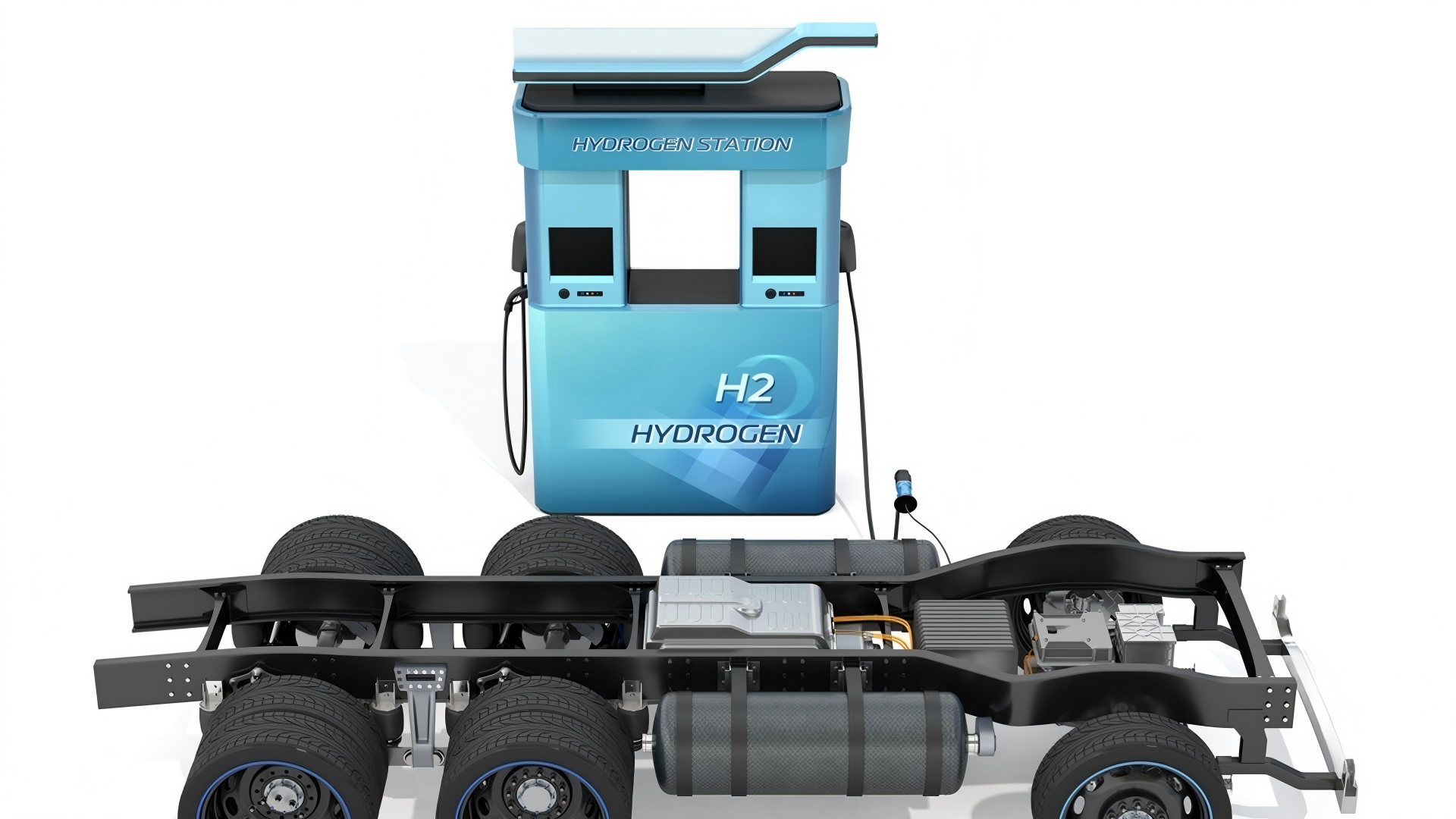
With the acceleration of global energy transition, hydrogen fuel cell vehicles (FCVs) have entered the commercialization stage. Whether it's passenger cars or heavy trucks, the working pressure of their on-board hydrogen supply systems is typically divided into two categories: 35MPa (suitable for commercial vehicles) and 70MPa (suitable for passenger cars).
In the manufacturing and after-sales maintenance processes of FCVs, "hydrogen system piping airtightness testing" is an unbreakable safety red line. Hydrogen, being the smallest molecule, is highly prone to leakage, and its explosion concentration range in air is extremely wide (4%-74%). According to standards such as GB/T 26990-2023 "Technical Conditions for On-board Hydrogen Systems of Fuel Cell Electric Vehicles" and T/GERS 0006-2021, the on-board hydrogen system must undergo strict airtightness tests after installation or during regular maintenance to verify the sealing performance of pipe joints, valves, and welds.
To meet this demand, specialized hydrogen system airtightness testing equipment has emerged. These devices use a pneumatic gas pressurization principle, driven by low-pressure compressed air to generate high-pressure gas output for airtightness testing of test components. The output end is equipped with a hydrogening gun that can directly match the vehicle's hydrogening port, achieving a seamless and safe connection from the "test source" to the vehicle.
In actual testing processes, this application faces extremely high technical barriers and implementation challenges:
The hydrogen fuel cell vehicle industry is on the verge of a breakthrough. With the implementation of the new national standard GB/T 26990 in 2023, airtightness testing has shifted from a recommended operation to a mandatory requirement. This directly creates a huge market for testing equipment:
Especially, equipment based on the "pneumatic gas booster pump" technology route shows significant advantages in mobile testing stations and on-site maintenance scenarios due to its excellent explosion-proof performance (no power-driven pressurization), compact size, and wide pressure range.
In the competitive airtightness testing equipment market, HOFUTECH has stood out with its "hydrogen system airtightness testing and mobile hydrogening equipment" by addressing the above industry pain points through the following core technical advantages:
HOFUTECH equipment uses a high-performance pneumatic gas booster pump with optimized drive pressure ratio, enabling easy realization of free switching and testing between 35MPa and 70MPa dual pressure levels. The output pressure is precisely set, not only meeting the conventional testing of 43.75MPa, but also stably outputting 87.5MPa of 1.25 times ultra-high pressure testing, perfectly covering the testing upper limit of all future vehicle models.
Differing from traditional single-function testing benches, HOFUTECH integrates a hydrogening gun compliant with international standards directly at the equipment output end. This not only achieves second-level direct connection with the vehicle's hydrogening port, avoiding the cumbersome process of disassembling and assembling pipelines, but also supports replacing (purging) or small-flow filling through this interface, significantly improving the device's utilization and maintenance efficiency.
Regarding the unique "permeation" risk of high-pressure hydrogen, HOFUTECH's high-pressure pipeline system is entirely made of non-welded rigid pipe connections, eliminating potential leakage points caused by welding defects. At the same time, the equipment integrates high and low pressure interlock logic: once leakage or overpressure is detected, the pneumatic pump will automatically stop and depressurize, combined with the explosion-proof electrical cabinet design, ensuring intrinsic safety during operations in hazardous areas.
The equipment is equipped with an industrial-grade touch screen system. Operators only need to set the "target pressure" and "pressure-holding time", and the equipment can automatically complete the entire process of pressurization, pressure-holding, and depressurization. The built-in algorithm can automatically correct the impact of temperature on pressure and record the leakage rate curve in real time. All test data can be stored locally or uploaded to the cloud, fully complying with the T/GERS 0006 standard's compliance requirements for "traceable test reports".
Using the pneumatic pressurization principle, the equipment does not require a high-power motor for driving, and can operate with only compressed air (0.6-0.8MPa), resulting in extremely low power consumption. Compared to electric direct charging solutions, HOFUTECH's equipment demonstrates higher reliability and lower maintenance costs in long-term operation, making it an ideal choice for hydrogen energy companies to achieve cost reduction and efficiency enhancement.
Conclusion
As hydrogen fuel cell vehicles shift from "policy-driven" to "market-driven", safety is the cornerstone of industry development. HOFUTECH, by deeply integrating pneumatic pressurization technology and intelligent control, provides a comprehensive, efficient, safe, and accurate one-stop airtightness solution for on-board hydrogen supply systems, becoming a reliable force in the field of hydrogen energy equipment testing.